
Cloudy or blurred vision can make everyday activities difficult. At treeG Majan Eye Centre in Barka, Oman, our ophthalmologists assess cataracts and help patients understand their treatment options.
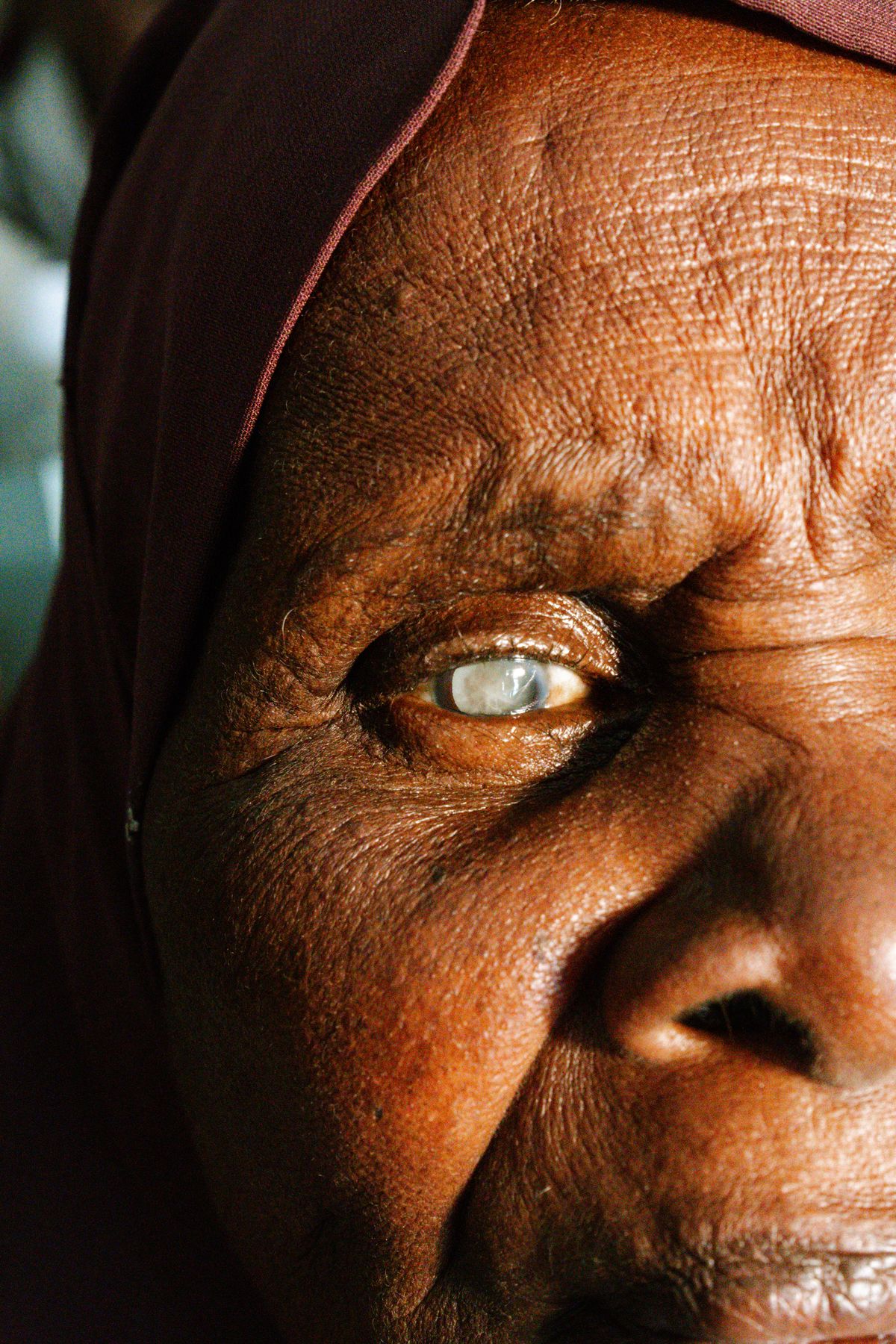 Cloudy lens
Light can’t pass through clearly
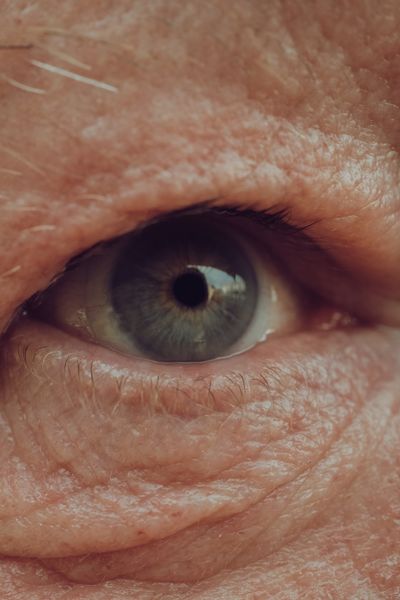
A cataract occurs when the eye’s natural lens becomes cloudy, causing blurred or reduced vision. Cataracts often develop gradually and can affect activities such as reading, driving and recognising faces.
Although cataracts are commonly associated with ageing, they can also develop due to other factors, including eye injuries and certain medical conditions.
Common symptoms include:
Symptoms can vary. A comprehensive eye examination helps identify whether cataracts or another eye condition are affecting your vision.
Cataract surgery may be recommended when cloudy vision begins to interfere with daily activities or when the cataract prevents appropriate examination or treatment of another eye condition.
An ophthalmologist considers your vision, eye health, symptoms and daily needs before recommending surgery.
Not every cataract requires immediate surgery.
 Consultant Ophthalmologist
Dr. Waleed Bunami
Meet the team
At treeG Majan Eye Centre, our ophthalmologists assess cataracts and discuss suitable treatment options based on each patient’s eye health and vision needs.
Before surgery, your ophthalmologist will explain the recommended approach, possible risks, expected benefits and follow-up care.
Book a Cataract Consultation Book a Cataract ConsultationCataract surgery generally involves removing the cloudy natural lens and replacing it with an artificial intraocular lens (IOL).
The procedure typically includes:
Eye examinations and measurements to plan treatment.
Usually local anaesthesia to keep the eye comfortable.
The cloudy lens is removed using an appropriate surgical technique.
An artificial lens is placed inside the eye.
The patient receives instructions and follow-up arrangements.
The exact procedure depends on the patient’s clinical needs and the surgical techniques available.
Recovery varies from person to person. Some patients notice improvements in vision within a few days, while complete healing may take several weeks.
Seek urgent medical attention if you experience severe eye pain or sudden loss of vision after surgery.
Your ophthalmologist may recommend:
Cataract surgery is usually performed with local anaesthesia. Patients may experience pressure or mild discomfort, but significant pain is not expected.
The operation often takes less than an hour, although preparation, observation and the overall clinic visit take longer.
The removed cataract does not grow back. However, clouding of the capsule supporting the artificial lens can develop later and may require treatment.
Recovery times vary. Your ophthalmologist will advise when you can safely resume work, driving and other activities.
Contact treeG Majan Eye Centre to arrange an assessment and discuss the available treatment options.
If cataracts are affecting your vision, contact treeG Majan Eye Centre in Barka, Oman, to arrange an eye assessment and discuss your treatment options.
Sunday to Friday · 9 am – 1 pm, 4 pm – 9 pm