
Laser and injection treatments that seal retinal holes and tears and control the damage diabetes can cause to the retina.
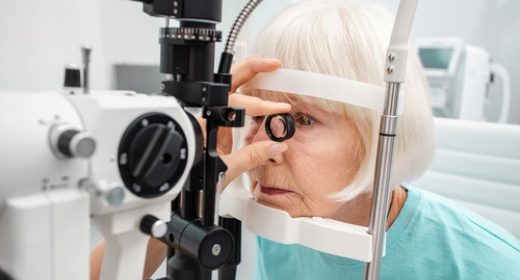
A retinal hole or tear is a small break in the retina, often caused when the gel inside the eye pulls away with age. If fluid passes through the break, the retina can detach, which is an emergency.
Diabetic retinopathy is damage to the small blood vessels of the retina caused by high blood sugar. The vessels can leak, bleed or grow abnormally, and the macula can swell.
Both conditions can be treated effectively with laser and, for diabetic swelling, eye injections, especially when found early.
At a glance
Seek care promptly if you notice:
Brief flashes, especially in the side vision.
A sudden shower of dots or cobwebs.
A shadow spreading across your vision.
Vision that fluctuates or gets worse.
Straight lines look wavy.
Difficulty seeing in dim light.
Retinal tears are usually treated with laser soon after diagnosis to prevent detachment. Diabetic retinopathy is treated when there is swelling, leakage or new abnormal vessels.
A sudden curtain over your vision is an emergency. Please seek care the same day, as a detached retina needs urgent surgery.
Treatment is usually needed when there is
 Consultant Ophthalmologist
Dr. Waleed Bunami
Meet the team
Green laser to seal tears and treat diabetic changes.
Medicine to reduce diabetic macular swelling.
Scans to guide and track your treatment.
Laser and injections by an experienced ophthalmologist.
Drops widen the pupil so the whole retina can be checked.
Retinal images show swelling, leaks and breaks.
Treatment is done in the clinic after numbing drops.
Follow-up visits check that the treatment has worked.
Vision may be dazzled or blurry for a few hours.
Laser scars form and seal the retina around a tear.
Regular checks, more often for diabetic retinopathy.
Good sugar and blood pressure control protect the retina.
Do
Avoid
Most people feel only brief stinging or a dull ache. Numbing drops are used.
Laser mainly prevents things getting worse. For diabetic swelling, injections may help vision improve.
Retinal tears often need one session. Diabetic retinopathy may need several treatments over time.
Good control of sugar, blood pressure and cholesterol, plus yearly eye checks, greatly reduces the risk.
Our ophthalmologist will check your retina and treat any problems early.
Sunday to Friday · 9 am – 1 pm, 4 pm – 9 pm