
Regular retinal checks for people with diabetes, plus medical treatment and monitoring of retinal conditions.
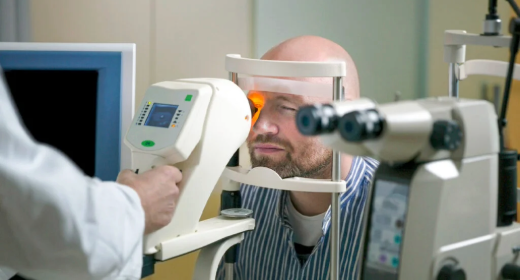
Diabetes can damage the small blood vessels in the retina. This is called diabetic retinopathy and it is one of the leading causes of preventable sight loss in working-age adults.
In the early stages there are usually no symptoms, so you can have serious changes while your vision still seems fine.
Screening finds these changes early, when treatment is most effective. Our medical retina service also monitors and treats other retinal conditions without surgery.
At a glance
Early diabetic eye disease is usually silent. Later signs can include:
Vision can be normal even with retinal changes.
Vision that varies with blood sugar levels.
From swelling of the macula.
Straight lines look wavy.
Difficulty seeing in dim light.
From bleeding inside the eye.
Everyone with diabetes should have a retinal check at least once a year, even if their vision is good. You may need checks more often if changes have already been found.
Pregnancy can speed up diabetic eye changes. Women with diabetes should have their eyes checked when planning a pregnancy and during it.
Book a screening if you
 Specialist Ophthalmologist
Dr. Mohammed Anwar Ahmed
Meet the team
Images of the retina to detect and compare changes.
Your results are explained in simple terms.
Laser or injections arranged quickly if needed.
Reviewed by an ophthalmologist experienced in diabetic eye disease.
We measure your vision with your glasses.
Drops widen the pupil for a full view of the retina.
Quick photos and an examination of the back of the eye.
We explain the findings and when to come back.
Vision is blurry and sensitive to light for 4–6 hours.
Explained at your visit, with a plan if changes are found.
Usually in 12 months, sooner if needed.
Good diabetes control protects your eyes.
Do
Avoid
Yes. Diabetic eye disease often has no symptoms until it is advanced. Screening finds it early.
No. The drops may sting briefly, and the photos use a bright flash, but nothing touches the eye.
Mild changes are monitored more often. More serious changes may need laser or injections.
Good control slows or prevents progression, and some early changes can improve, but it cannot repair all damage.
A short yearly check can protect your sight for life.
Sunday to Friday · 9 am – 1 pm, 4 pm – 9 pm