
Careful, gentle eye checks for newborns and infants to find problems early, when treatment can make the biggest difference.
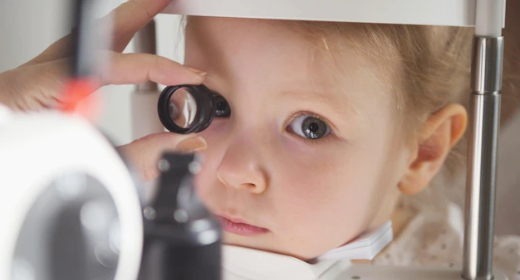
A baby’s vision develops quickly in the first months of life. Some eye conditions present at birth, such as congenital cataract or glaucoma, need treatment very early to allow normal vision to develop.
An eye examination for a newborn checks the red reflex, the shape and size of the eyes, how the pupils react to light and, when needed, the retina.
Premature babies and babies with a family history of childhood eye conditions benefit especially from an early check.
At a glance
Book an eye check if you notice:
A white or unusual reflection in photos.
An eye turning after about 3 months of age.
Watery or sticky eyes.
By 2–3 months, babies usually follow faces.
Baby avoids light or keeps eyes closed.
An eye that looks hazy or bigger than the other.
Book an eye exam if anything looks unusual about your baby’s eyes, if your baby was born premature, or if there is a family history of childhood eye disease.
A white pupil in a photo needs prompt attention. Please book an eye examination as soon as possible.
Your baby should have an eye check if
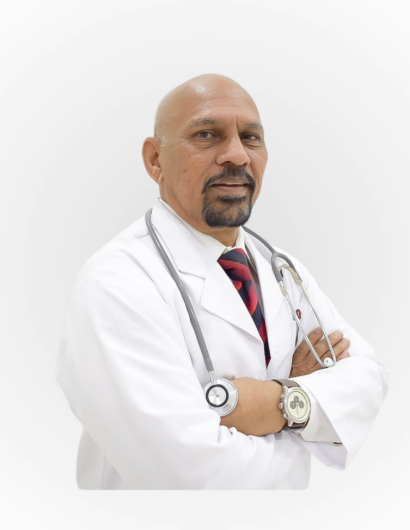 Specialist Ophthalmologist
Dr. Mohammed Anwar Ahmed
Meet the team
Calm, quick examinations with parents present.
Red reflex, eye movements and eye health.
We explain findings simply and plan next steps.
Care by an ophthalmologist experienced with children.
Pregnancy, birth, weight and family history.
We watch how your baby looks at lights and faces.
Red reflex check and, if needed, drops to see the retina.
Reassurance, follow-up or treatment, explained to you.
If drops were used, pupils stay large for some hours.
Some babies need a review as they grow.
Regular checks if a condition was found.
A full eye check for every child.
Do
Avoid
Yes. It is gentle and quick, and you can stay with your baby throughout.
Sometimes drops are used to see the retina. They are safe and wear off within hours.
Premature babies can develop retinopathy of prematurity, which needs regular screening.
Vision develops gradually. By around 6 months most babies see quite well.
A gentle examination by our team can give you peace of mind.
Sunday to Friday · 9 am – 1 pm, 4 pm – 9 pm