Eye misalignment and reduced vision can affect visual development and everyday activities, particularly in children. At treeG Majan Eye Centre in Barka, Oman, patients and parents can enquire about assessment and appropriate treatment options for strabismus and amblyopia.
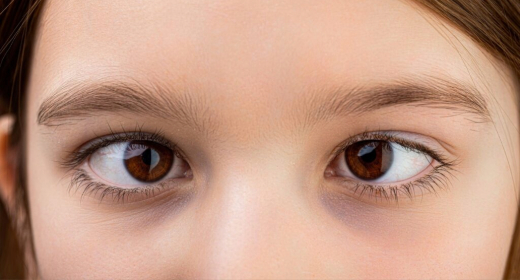
Strabismus occurs when the eyes do not align in the same direction. One eye may turn inward, outward, upward or downward. It can occur in children or adults and may affect how the eyes work together.
Amblyopia occurs when vision in one eye, or sometimes both eyes, does not develop normally. It often begins during childhood and may be associated with strabismus, differences in refractive error or other factors affecting visual development.
Early assessment can help identify these conditions and determine suitable care.
At a glance
Possible signs and symptoms include:
Some children may not recognise or communicate their vision difficulties. Parents who notice these signs should consider arranging an eye assessment.
An assessment is recommended when the eyes appear misaligned, a child has difficulty seeing clearly or there are concerns about visual development.
Early identification of amblyopia is particularly important because treatment is generally more effective during childhood while the visual system is developing.
The appropriate treatment depends on the patient’s age, the cause of the condition, visual acuity and eye alignment.
 Specialist Ophthalmologist
Dr. Mohammed Anwar Ahmed
Meet the team
At treeG Majan Eye Centre, patients can enquire about assessment and pleoptic and orthoptic treatment options for strabismus and amblyopia.
The ophthalmologist evaluates the patient’s vision and eye alignment before recommending an appropriate management approach.
Treatment plans are individualised according to the clinical findings and the patient’s needs.
Book an Eye Assessment Book an Eye AssessmentAssessment may involve several checks depending on the patient’s age and symptoms.
Evaluates visual acuity in each eye using age-appropriate methods.
Examines how the eyes are positioned and work together.
Checks whether glasses may help correct refractive errors affecting vision.
These approaches may be used in selected cases to address aspects of visual function and eye coordination. The appropriate treatment depends on the diagnosis.
Management may also involve glasses, patching or other approaches when clinically indicated. Some forms of strabismus may require further specialist treatment.
Your ophthalmologist will explain which options are appropriate and available at Majan Eye Centre.
Treatment for strabismus and amblyopia may require regular monitoring, particularly in children.
Treatment duration and outcomes vary depending on the underlying condition, age and response to care.
Parents and patients may be advised to:
Strabismus is an eye alignment problem, while amblyopia is reduced vision caused by abnormal visual development. The two conditions can occur together, but they are not the same.
Amblyopia can often be managed, particularly when identified early. Treatment depends on the child’s age, the cause and the severity of reduced vision.
Yes. Strabismus can occur in adults or persist from childhood. New or sudden eye misalignment, especially with double vision or other neurological symptoms, requires prompt medical assessment.
Orthoptic care focuses on assessing and managing problems involving eye movements, alignment and coordination. The treatment used depends on the individual’s condition.
No. Treatment depends on the cause and severity. Options may include glasses or other non-surgical approaches; surgery may be considered in selected cases.
Contact treeG Majan Eye Centre at +968 9091 4123 or WhatsApp +968 9825 7771 to enquire about an appointment.
If you have concerns about eye alignment, lazy eye or your child’s visual development, contact treeG Majan Eye Centre in Barka, Oman, to enquire about an assessment.
Sunday to Friday · 9 am – 1 pm, 4 pm – 9 pm