
A pterygium is a growth of tissue on the surface of the eye that may cause redness, irritation or vision changes. At treeG Majan Eye Centre in Barka, Oman, patients can enquire about pterygium assessment and surgical removal when clinically appropriate.
 Pterygium
Fleshy growth spreading onto the cornea
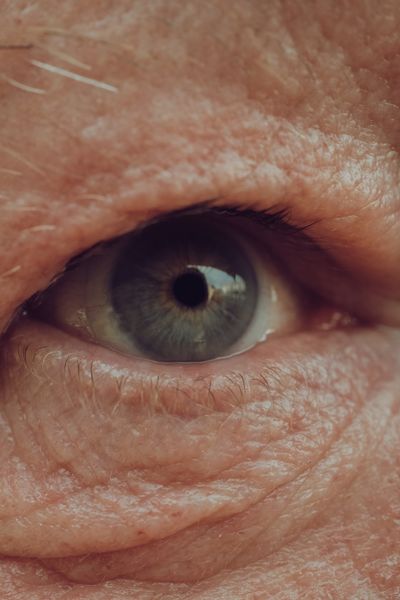
A pterygium is a growth of tissue on the conjunctiva, the clear membrane covering the white part of the eye. It can gradually extend towards the cornea, the clear front surface of the eye.
Pterygium is often associated with exposure to ultraviolet light, wind, dust and other environmental irritants. The size and effects of the growth can vary between individuals.
At a glance
Common symptoms may include:
Some pterygia cause few symptoms, while others may become more noticeable or affect vision.
Not every pterygium requires surgery. An ophthalmologist may recommend monitoring when the growth causes minimal symptoms and does not affect vision.
Surgical removal may be considered if the pterygium causes persistent irritation, interferes with vision, affects contact lens use or continues to grow towards the cornea.
An examination is necessary to determine whether surgery is appropriate for your condition.
 Consultant Ophthalmologist
Dr. Waleed Bunami
Meet the team
At treeG Majan Eye Centre, patients can enquire about pterygium assessment and excision.
An ophthalmologist can examine the growth, assess its size and position, and discuss whether monitoring or surgical removal may be suitable.
The recommended approach depends on the clinical findings, symptoms and individual eye health.
Book a Pterygium Consultation Book a Pterygium ConsultationWhen surgery is recommended, pterygium excision involves removing the abnormal tissue from the eye’s surface.
The procedure may involve:
The ophthalmologist examines the eye and discusses the procedure.
Appropriate anaesthesia is used to help keep the patient comfortable.
The pterygium is surgically removed.
The surgeon manages the affected area according to the chosen surgical technique.
The patient receives postoperative instructions and follow-up arrangements.
The exact surgical technique and whether additional tissue is used depend on the clinical assessment and the procedure offered by the clinic.
Recovery varies according to the procedure and the individual. Temporary redness, irritation or discomfort may occur after surgery.
Contact your clinical team if symptoms worsen. Severe pain or sudden changes in vision require urgent medical assessment.
Your ophthalmologist will provide instructions about:
No. Small growths that cause few symptoms may be monitored. Surgery may be considered when the growth causes persistent discomfort, affects vision or meets other clinical criteria.
Yes. A pterygium may affect vision if it changes the shape of the cornea or grows into an area that interferes with sight.
Yes. Pterygium can recur after removal. The likelihood depends on several factors, including the surgical technique and individual characteristics.
Recovery varies depending on the procedure and individual healing. Your ophthalmologist will explain the expected recovery period and follow-up care.
Contact treeG Majan Eye Centre at +968 9091 4123 or WhatsApp +968 9825 7771 to enquire about an appointment.
If you have noticed a growth on the surface of your eye or are experiencing persistent irritation, contact treeG Majan Eye Centre in Barka, Oman, to enquire about an assessment.
Sunday to Friday · 9 am – 1 pm, 4 pm – 9 pm